Let's cut straight to the point. You're here because you've heard about the microplastic crisis—those tiny plastic fibers polluting our oceans and showing up in our food chain—and you're trying to make better choices. You picked up a soft, drapey modal t-shirt labeled "sustainable" and now you're wondering: is this part of the problem or the solution? Does modal fabric have microplastics?
What You'll Discover
The Quick Answer (It's Not Simple)
Pure modal fabric, made from beech tree pulp, does not contain or shed microplastics because it is not a plastic polymer. It's a type of rayon, a regenerated cellulose fiber. The microplastic pollution you hear about primarily comes from washing synthetic fabrics like polyester, nylon, and acrylic—which are literally made from plastic.
But here's the catch that most articles won't tell you: the story gets messy in the real world. Many "modal" items are blends. That modal-cotton-spandex blend leggings? The spandex (a synthetic plastic) will shed microfibers. Furthermore, the chemical processing involved in making modal can have other significant environmental impacts that are often glossed over in the "natural" marketing.
What Modal Actually Is (Hint: It's Not Plastic)
Think of modal as a cousin to viscose (rayon) and lyocell (like Tencel™). They all start with plant cellulose—usually wood pulp from sustainably managed beech, eucalyptus, or bamboo forests. The wood is broken down into a pulp, dissolved using a chemical solvent, and then forced through tiny holes (spinnerets) to create fibers.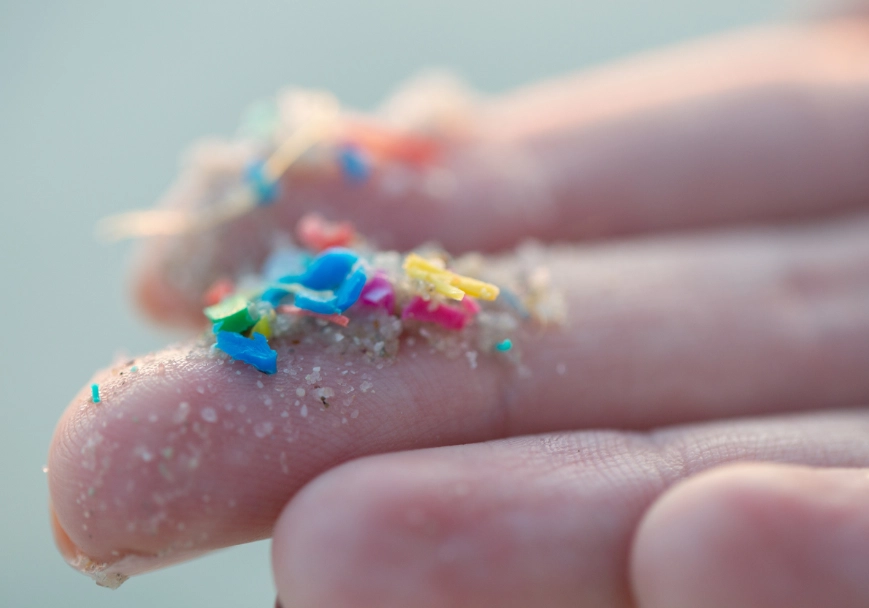
The key difference between modal and its cousins lies in the process. Modal uses a modified viscose process that results in a stronger, more stable fiber when wet. It's known for being incredibly soft, breathable, and resistant to shrinking or pilling.
Because the base material is plant-based cellulose, the fundamental chemical structure of modal is similar to cotton or linen. It's a natural polymer (cellulose), not a synthetic polymer derived from petroleum like polyester. This is the core reason why pure modal doesn't contribute to microplastic pollution in the same way.
The Big Name: Lenzing Modal
When we talk about quality modal, Lenzing AG is the industry leader. Their Lenzing Modal is made from beech wood from PEFC or FSC-certified forests. They've also pioneered "EcoSoft" technology, which they claim makes the fibers even more absorbent and soft. If you see a garment with a Lenzing Modal tag, you're looking at a specific, traceable product with defined environmental standards, not just a generic "modal" claim.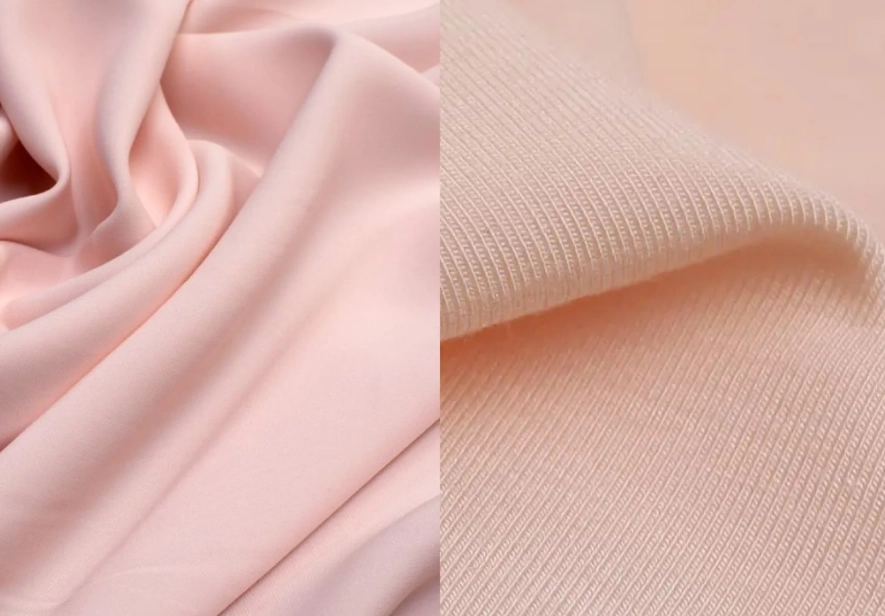
Where Microplastics Really Come From
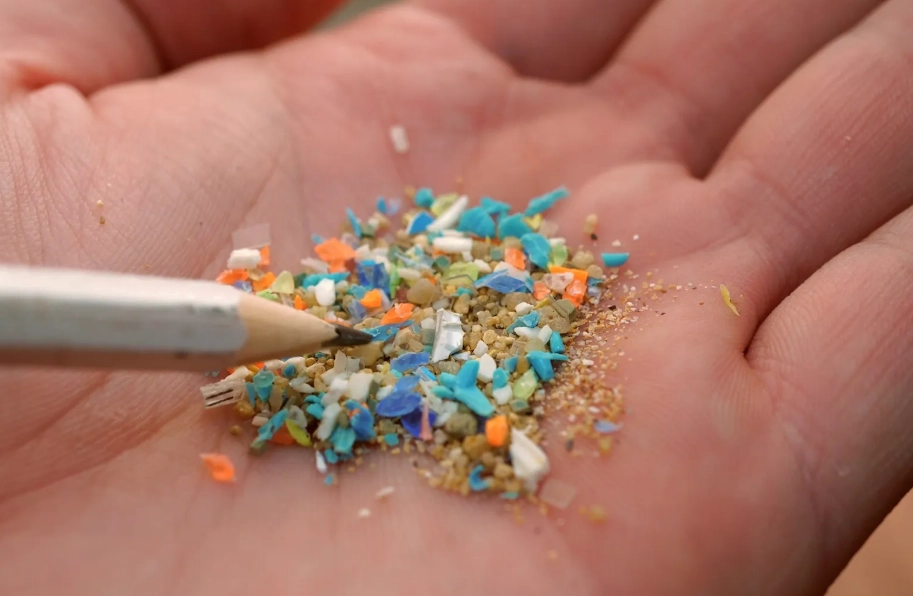
To understand why modal is different, you need to know the enemy. Microplastics in textiles are almost exclusively microfibers—tiny threads that break off during wear and, most significantly, during washing.
A single wash of synthetic clothing can release hundreds of thousands of these fibers. They're too small for wastewater treatment plants to filter out, so they flow into rivers and oceans. Once there, they act like sponges for toxins and are ingested by marine life.
The source? The fabric itself. Polyester is polyethylene terephthalate (PET)—the same plastic as water bottles. Nylon is a polyamide. Acrylic is a polyacrylonitrile. These are all plastics. When you wash them, you're essentially giving a plastic garment a mechanical beating in warm, soapy water. Shedding is inevitable.
Modal vs. Polyester & Nylon: A Fiber Showdown
Let's put them side-by-side. This table clarifies why the microplastic question points squarely at synthetics.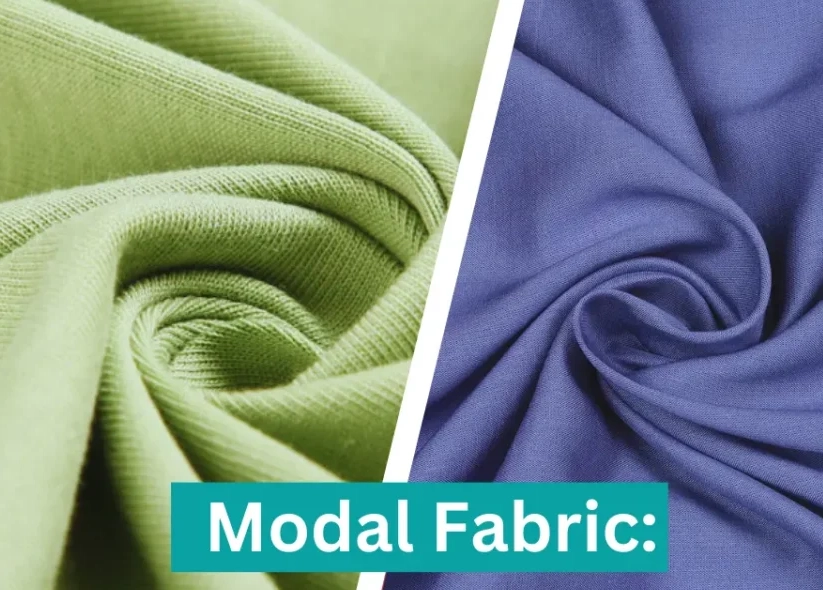
| Fiber Type | Raw Material | Sheds Microplastics? | Key Environmental Concern |
|---|---|---|---|
| Modal (Pure) | Beech Tree Pulp (Cellulose) | No (sheds biodegradable cellulose fibers) | Chemical processing (solvents, energy), forestry practices |
| Polyester | Petroleum (Crude Oil) | Yes, significantly | Microplastic pollution, non-renewable resource, high carbon footprint |
| Nylon | Petroleum | Yes, significantly | Microplastic pollution, production releases nitrous oxide (a potent greenhouse gas) |
| Cotton (Conventional) | Cotton Plant | No (sheds biodegradable fibers) | High water use, heavy pesticide/fertilizer use |
See the divide? It's between cellulose-based and petroleum-based fibers. Modal falls into the first category. The fibers it sheds in the wash are natural cellulose, which will decompose in the environment much faster than plastic—though the rate depends heavily on conditions (a topic for the FAQ).
The Real Environmental Impact of Modal
Okay, so no microplastics. That's a huge win. But calling modal "guilt-free" is where many sustainable fashion blogs slip up. The environmental footprint is more nuanced.
The Good: It uses less water than cotton. The beech trees often grow on land unsuitable for agriculture, and leaders like Lenzing use closed-loop systems for their solvents (meaning they recycle over 99% of the chemicals). The fiber is biodegradable under the right conditions.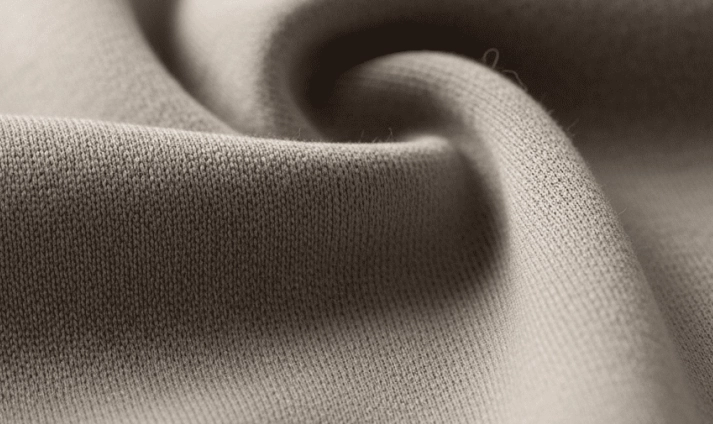
The Not-So-Good (The Expert Reality Check): The transformation from wood to wearable fiber is chemically intensive. It requires energy and solvents like sodium hydroxide and carbon disulfide. While closed-loop systems mitigate this, not all modal producers use them. There's also the risk of "greenwashing" with vague "made from plants" claims that hide destructive logging or polluting factories.
My personal rule after years in textiles? Brand transparency is everything. A generic "modal" label tells me almost nothing. A "Lenzing Modal from FSC-certified forests" label tells me a specific story I can research.
How to Choose Truly Sustainable Modal
You want the softness without the hidden cost. Here’s how to shop like a pro.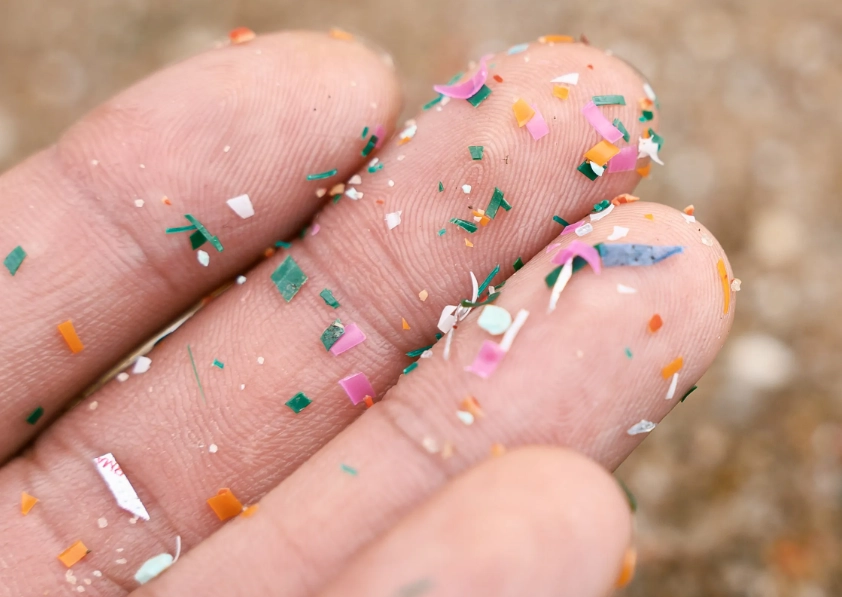
- Look for the Brand Name: Prioritize fabrics branded as Lenzing Modal® or TENCEL™ Modal. This isn't snobbery; it's a shortcut to traceability and better production standards.
- Check for Blends: Read the care label! A 95% Modal, 5% Elastane blend will still shed microplastics from the elastane. For zero plastic shedding, you need 100% modal (or a blend with other natural fibers like organic cotton or wool).
- Demand Certifications: Look for tags like FSC (Forest Stewardship Council) or PEFC for the wood source, and OEKO-TEX Standard 100 to ensure the final fabric is free from harmful substance
- Research the Brand: Go beyond the fabric. Does the brand disclose its manufacturers? What are its overall sustainability goals? Patagonia's use of recycled materials and fair trade practices, for instance, adds another layer of credibility to their modal items.
- Care for It Right: Even natural fibers suffer from harsh washing. Use a gentle cycle, cold water, and a Guppyfriend Washing Bag or a Cora Ball to catch any fibers (natural or synthetic), reducing overall aquatic burden. Air dry when possible.
Your Burning Questions Answered
If modal is natural, why did I read a study linking rayon (including modal) to microfiber pollution?
Great catch. Some early studies grouped all "man-made cellulosic fibers" (MMCFs) like viscose, modal, and lyocell together and found they shed. The critical detail is what they shed: biodegradable cellulose, not persistent plastic. The environmental impact of that cellulose shedding is debated—it can still cause issues in waterways by affecting oxygen levels as it decomposes—but it is fundamentally different from the permanent pollution of plastic microfibers. The confusion often stems from a lack of this distinction in headlines.
Is modal "biodegradable" in the ocean, or is that just marketing?
This is a classic oversimplification. Yes, cellulose fibers will biodegrade much faster than polyester in controlled composting conditions (soil, moisture, microbes). However, in a cold, dark ocean environment with limited microbial activity, the process slows dramatically. Calling any textile "marine biodegradable" is often misleading. The real advantage is that modal doesn't add to the permanent stock of plastic accumulating in the ocean. It's a relative improvement, not an absolute solution.
I see "bamboo modal" everywhere. Is it better than beech modal?
Beware of this one. "Bamboo fabric" is almost always bamboo viscose/rayon, made through the same chemical process as modal from beech. Bamboo grows incredibly fast, which is a plus. However, the "bamboo" label has been plagued by greenwashing, with unsubstantiated claims about antimicrobial properties. There's no significant evidence that bamboo-based modal is inherently superior. The production standards (closed-loop, certifications) of the company making it matter far more than the plant source.
How does modal compare to Tencel Lyocell for sustainability?
They're siblings. Tencel Lyocell (also by Lenzing) uses a different, more modern solvent (NMMO) in an even more efficient closed-loop system (recovering over 99.8%). It's often cited as the most environmentally friendly MMCF. Modal's process is slightly older but still effective, especially under Lenzing's standards. Both are excellent, plastic-free choices. Lyocell might have a slight edge in technical eco-efficiency, but high-quality modal from a responsible producer is a very close second.
What's the single most important thing I can do if I care about microplastics?
Shift your wardrobe baseline. Make natural and regenerated cellulose fibers (like organic cotton, linen, hemp, modal, lyocell) your default. Treat synthetic fabrics (polyester, nylon, acrylic) as specialty items for performance needs (e.g., a rain jacket, swimsuit) where their function is justified. And when you do own synthetics, wash them less often, in cold water, inside a microfiber-catching device. This mindset change has a bigger impact than agonizing over every single garment.
So, does modal fabric have microplastics? The fiber itself, no. It's a solid choice for reducing your personal contribution to microplastic pollution. But let's not pat ourselves on the back too quickly. The quest for truly sustainable fashion doesn't end with one fiber. It continues with asking who made it, how, and what happens to it at the end of its life. Choose transparent brands, prefer pure fibers or natural blends, and care for your clothes gently. That's how you wear your values, without wearing plastic.