Let's get one thing straight. Nylon isn't just "that shiny stuff" from your grandma's old windbreaker. Working with fabrics for over a decade, I've seen nylon go from a purely utilitarian military secret to the backbone of modern performance gear, fashion, and even luxury items. Most articles just repeat the same old points: it's strong, it's synthetic, it dries fast. That's surface-level. The real story is in the details most people miss—the subtle differences between nylon types that make or break a product, the common care mistakes that ruin its lifespan, and why it's often misunderstood. This guide is for anyone who's ever bought a backpack, a rain jacket, or activewear and wondered what they're really made of.
What's Inside This Guide
What Is Nylon Fabric, Really?
Chemically speaking, nylon is a polyamide. In plain English, it's a plastic made from petrochemicals, invented by DuPont in the 1930s as a synthetic replacement for silk. The American Chemical Society has a great historical overview of its development. It was a game-changer. The first major use? Women's stockings. Then parachutes and ropes for WWII. That tells you a lot about its core character: it started life needing to be both incredibly fine and delicate and absurdly strong and reliable. That duality is still at its heart.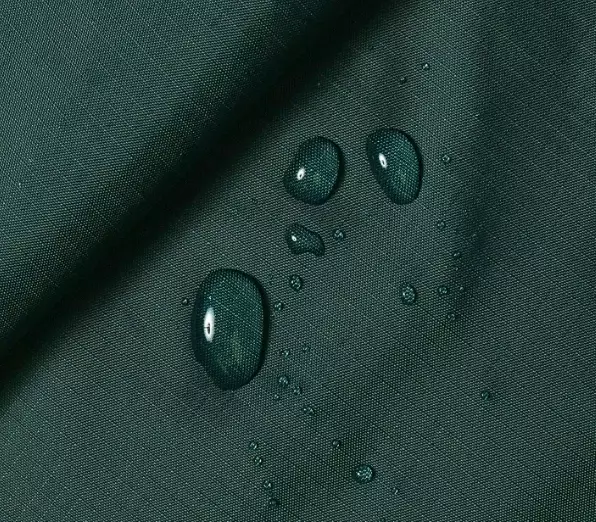
It's made by forcing a chemical solution through tiny holes called spinnerets, creating long, continuous filaments. These filaments can be used as-is for smooth fabrics, or they can be crimped and cut into short staples to be spun like cotton or wool, which gives a different feel. Most of the nylon you encounter in performance gear is filament-based.
Key Properties: The Good, The Bad, The Misunderstood
Everyone lists the strengths. Let's be balanced.
The Undeniable Strengths
Exceptional Strength & Abrasion Resistance: Pound for pound, nylon filament is stronger than steel wire. This is why it's the top choice for climbing ropes, heavy-duty backpacks, and luggage that gets thrown around airports. A backpack made with high-denier nylon (like 1000D) will outlive three made from a standard polyester.
Elasticity & Recovery: This is a big one often overlooked. Nylon has a natural stretch and spring-back quality. It's why your swimwear or yoga pants keep their shape wash after wash, while other fabrics bag out. This elasticity also contributes to comfort in fitted garments.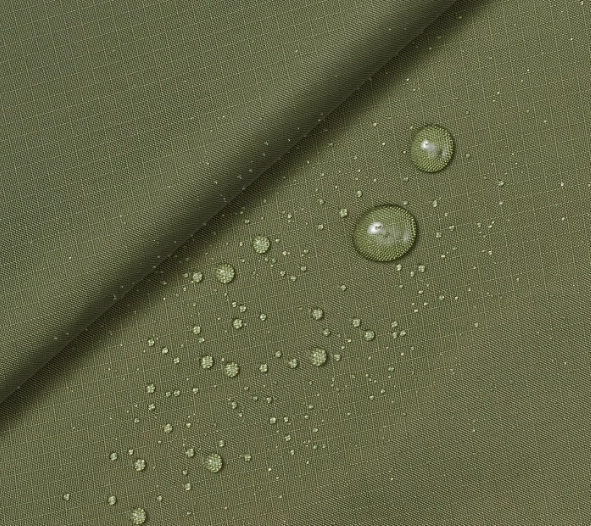
Quick-Drying & Water-Resistant: Nylon fibers themselves don't absorb much water. Moisture sits on the surface or between fibers, so it evaporates quickly. In its base state, it's water-resistant, not waterproof. That light shower will bead up and roll off a plain nylon shell. A torrential downpour will soak through unless it has a waterproof coating or membrane (like Gore-Tex, which often uses a nylon backing).
Expert Reality Check: That "water-resistant" claim is where marketing gets fuzzy. A new, uncoated nylon jacket might repel water for a few months. Once the factory-applied DWR (Durable Water Repellent) finish wears off from dirt and washing—and it will—the fabric will start to "wet out," meaning it absorbs water, feels heavy, and loses its breathability. The nylon itself isn't failing; its surface treatment is. This is a major user pain point disguised as a fabric flaw.
The Legitimate Weaknesses
Poor UV Resistance: Sunlight is nylon's kryptonite. Prolonged exposure causes the polymer chains to break down, leading to fading and, more critically, a loss of strength. A tent left pitched in the sun for a whole season will become brittle and tear easily. The solution? Look for UV-stabilized treatments or coatings.
Heat Sensitivity: Nylon melts. It has a lower melting point than polyester. Iron it on too high a setting, and you'll get a shiny, glazed patch or a hole. This also matters for safety in certain applications.
Can Feel "Plasticky" or Lack Breathability: In its basic, tightly woven form, nylon doesn't breathe well. It can trap sweat and feel clammy against the skin. This is why for activewear, it's almost always blended with more breathable fibers like cotton or made into meshes and looser weaves.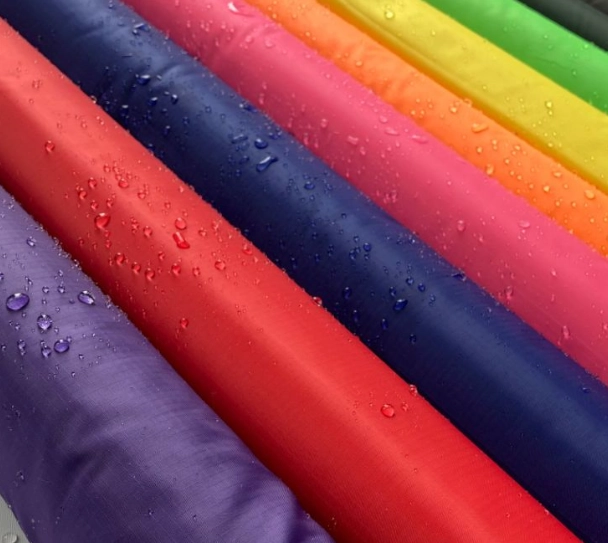
Environmental Impact: It's derived from non-renewable petroleum, and as a plastic, it sheds microfibers when washed. This is the industry's biggest challenge. The positive shift is toward recycled nylon (like ECONYL, made from discarded fishing nets and industrial plastic), which performs identically to virgin nylon but has a much lower footprint.
Nylon 6 vs. Nylon 66 vs. Everything Else
Not all nylons are created equal. The numbers refer to the chemistry of the carbon chains. The differences are technical but have real-world effects.
| Type | Key Characteristics | Best For | My Take |
|---|---|---|---|
| Nylon 6 | Softer hand feel, excellent dyeability, good elasticity, slightly lower melting point. | Apparel (activewear, lingerie, swimwear), carpets, fabrics where color vibrancy and softness are key. | More common in fashion and everyday items. The difference in durability vs. Nylon 66 is minimal for most users. Don't get hung up on it for a t-shirt. |
| Nylon 66 | Higher tensile strength, better abrasion resistance, higher melting point, excellent dimensional stability. | High-stress applications: automotive airbags, tire cords, premium climbing gear, heavy-duty luggage, ballistic fabrics. | The go-to for "mission-critical" durability. If a product brags about "military-grade" nylon, it's likely Nylon 66. |
| Ripstop Nylon | A weaving technique with reinforced threads in a grid pattern. Tears are stopped at the grid. | Tents, ultralight backpacks, kites, high-performance flags, outdoor gear where weight and tear resistance are balanced. | The "ripstop" grid is a visual giveaway. Lighter deniers (e.g., 30D) feel papery; heavier ones (70D) are robust. Check the denier. |
| Ballistic Nylon | Originally developed for flak jackets. A very thick, dense, multi-ply weave using high-denier threads (often 1050D+). | Protective cases, motorcycle gear, the most heavy-duty luggage and tool bags. | Overkill for a daily commuter backpack. It's stiff, heavy, and expensive. But for protecting a $3000 camera? Unbeatable. |
| Cordura® | A branded, high-tenacity nylon 66 fabric known for extreme abrasion resistance. It's a specific standard, not a generic term. | Military equipment, workwear, premium hiking backpacks, motorcycle apparel. | If you see the Cordura label, you're paying for a proven, tested level of durability. It's a reliable indicator of quality. |
Where You'll Find Nylon (Beyond Jackets)
Its versatility is staggering.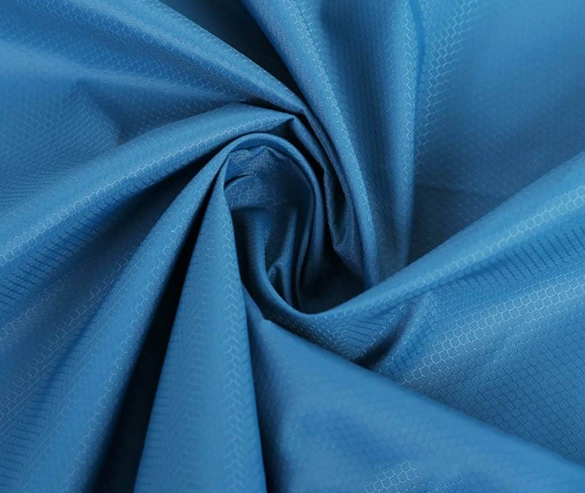
Apparel: This is the big one. From sheer tights and stockings to windbreakers, raincoats, swimsuits, activewear leggings (often blended with spandex), and even some faux furs. That stretchy, form-fitting quality is hard to beat.
Bags & Luggage: Almost the entire mid-to-high-end backpack and suitcase market relies on nylon. It's the perfect balance of strength, weight, and dyeability for logos and designs.
Outdoor & Sports Gear: Tents, sleeping bags, parachutes, ropes, fishing lines, soccer jerseys. Its strength-to-weight ratio is critical here.
Home Furnishings: Carpets (nylon is the dominant fiber here due to its resilience), upholstery, curtains, and even toothbrush bristles.
Industrial: Car airbags, hoses, conveyor belts, tire reinforcements. This is where Nylon 66's high-performance specs are non-negotiable.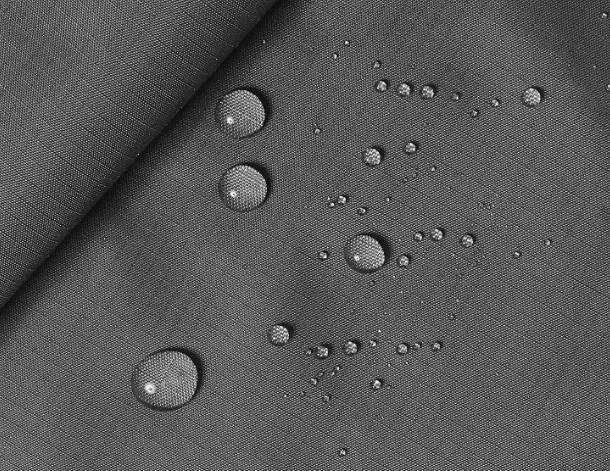
How to Choose the Right Nylon for Your Project
Stop looking just at "nylon." Ask these questions.
1. What's the Denier (D)? This measures the weight/thickness of the yarn. A higher number means a thicker, stronger, heavier fabric.
- 10D-30D: Ultralight, delicate. Used for linings, ultralight wind jackets. Tears easily.
- 40D-70D: The sweet spot for most travel and daypacks. Good balance of strength and weight.
- 100D-600D: Heavy-duty range for luggage, work bags, hiking packs. Very durable.
- 1000D+: Ballistic/Cordura territory. Maximum abrasion resistance for extreme use.
2. What's the Weave or Knit? A tight, plain weave will be more water and wind-resistant but less breathable. A ripstop weave adds tear resistance. A knit (like in jerseys) will be stretchy and breathable.
3. Is There a Coating or Laminate? This defines the function.
- PU (Polyurethane) Coating: Adds water resistance and a bit of structure. Common on affordable bags and jackets.
- TPU (Thermoplastic Polyurethane) Laminate: Used to bond a waterproof/breathable membrane (e.g., Gore-Tex, own-brand membranes) to the nylon face fabric. This is what creates true waterproof gear.
- Siliconized Finish: Makes the fabric incredibly slick and packable, often used in ultra-lightweight stuff sacks.
4. Virgin vs. Recycled? If sustainability is a factor, seek out brands using Recycled Nylon (ECONYL, Repreve). The performance is identical, and it's a more responsible choice.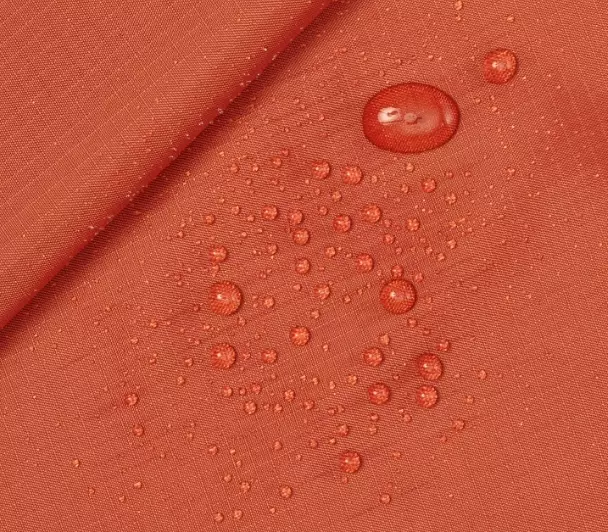
Care & Maintenance: Don't Ruin Your Gear
I've seen too many good pieces die early from bad care.
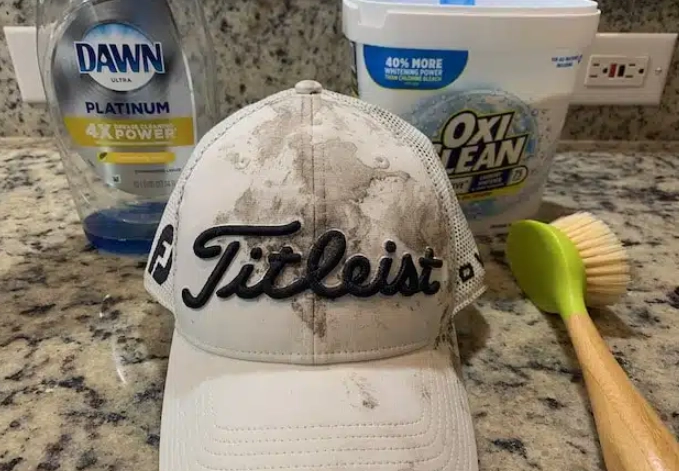
Washing: Use cold or warm water, never hot. Hot water can set stains and damage coatings. Use a mild detergent. Avoid fabric softeners and bleach—they degrade the fibers and strip water-repellent coatings.
Drying: Air dry is king. Tumble dry on low heat only if necessary, and remove promptly. High heat is the enemy—it can melt fibers (especially in elastics blended with nylon) and permanently damage PU coatings.
Restoring Water Repellency: When water stops beading up, it's time. Wash the garment first to clean the fabric. Then apply a tech wash or DWR spray (like Nikwax TX.Direct or Granger's Performance Repel) according to the instructions. This isn't optional for maintaining performance rainwear.
Ironing: If you must, use the lowest possible heat setting (synthetic/nylon) and place a pressing cloth between the iron and the fabric.
Your Burning Nylon Questions, Answered
Nylon's story isn't over. It's evolving from a wonder plastic to a smarter, more responsible material. Understanding its true nature—its brilliant strengths and very real limitations—lets you cut through marketing and choose gear that will actually last. Whether you're sewing a project, buying a backpack, or just curious about the stuff that makes modern life possible, respect the humble polyamide. It's earned it.