Let's cut through the confusion right away. Satin silk fabric isn't a special type of silk fiber. It's all about the weave. You take gorgeous, natural silk threads and arrange them in a specific, clever pattern called a satin weave. The result? That iconic, almost liquid shine and an unbelievably smooth, frictionless feel against your skin. It's the weave that turns silk into the fabric of red carpets, luxury lingerie, and five-star hotel bedding.
But here's where people get tripped up. "Satin" can also refer to a fabric made from polyester or nylon using the same weave. So when you see "satin" on a cheap dress tag, it's almost never silk. True satin silk is a premium combination of the finest natural fiber with a masterful construction. This guide will walk you through exactly what makes it special, how to spot the real deal, and how to care for it so your investment looks stunning for years. I've worked with these fabrics for over a decade, and I'll point out the subtle differences most blogs miss.
What You'll Learn
- What is Satin Silk, Really? It's All in the Weave
- The Hallmarks of Satin Silk: Feel, Drape, and Look
- Not All Satin Silk is the Same: Common Types Explained
- How to Tell if You're Getting Real Satin Silk (Not Fake)
- Where to Use Satin Silk: From Nightwear to Home Decor
- Satin Silk Care: The Rules to Prevent Heartbreak
- Your Satin Silk Questions, Answered
What is Satin Silk, Really? It's All in the Weave
Think of fabric weaving like a grid. In a plain weave (think cotton broadcloth), the threads go over one, under one, in a tight checkerboard. It's strong but not particularly glossy. A satin weave is different. The warp threads (the ones running lengthwise) "float" over multiple weft threads (running crosswise) before going under one.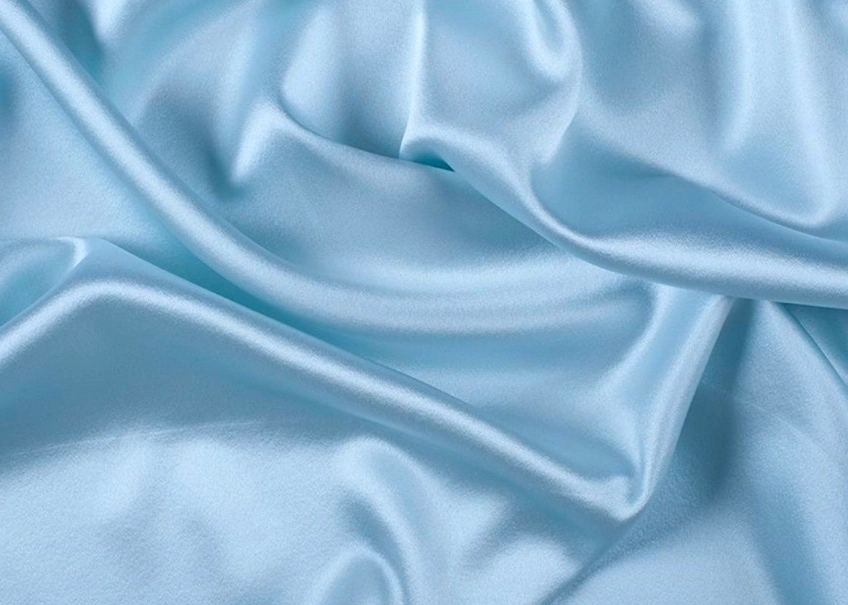
A common pattern is over four, under one. This creates long, unbroken stretches of thread on the fabric's surface. Light hits these smooth, continuous filaments and reflects uniformly, creating that signature satin sheen. The underside of the fabric looks matte and has a different texture, which is why some satin silks are reversible.
The history is fascinating. The technique likely originated in medieval China, but it was named after the port city of Quanzhou (Zaitun in Arabic), a major silk trade hub. It became synonymous with luxury in Europe for royalty and the church. Today, the International Silk Association notes that satin weaves remain a benchmark for high-end silk fabric production, prized for their aesthetic and functional properties.
The Big Misconception: Many think "satin" means "shiny," and "silk" means "luxurious." So "satin silk" must be the shiniest, most luxurious. Not quite. You can have dull satin (if made from matte fibers) and incredibly shiny silk that's not satin (like high-gloss charmeuse, which is actually a type of satin weave—see, it's tricky!). The magic is the specific combination.
The Hallmarks of Satin Silk: Feel, Drape, and Look
Why choose satin silk over other silks like crepe de chine or habotai? It comes down to a specific set of qualities.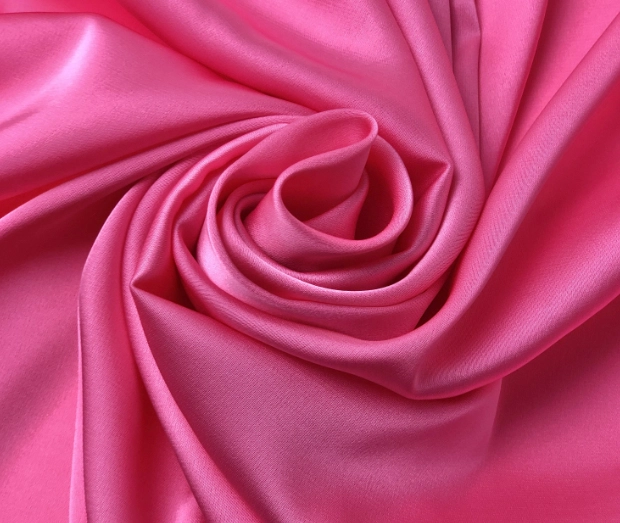
The Gloss Factor: The shine is deep and luminous, not metallic or plastic-looking. It has a soft glow. Cheap polyester satin often has a harsh, glaring shine.
The Hand Feel: This is the big one. Run your hand across it. It should feel cool and incredibly smooth, almost slippery. There's minimal friction. This is why it's recommended for hair and skin—it glides rather than tugs.
Drape and Weight: Satin silk has a beautiful, heavy drape. It falls in clean, fluid folds rather than stiffly. The weight can vary. A lightweight satin silk for a blouse will be airy, while a duchesse satin for a wedding gown has substantial body that holds a shape.
Strength and Snagging: Here's a trade-off. The long floats that create the shine are also vulnerable. They can catch on a rough ring or fingernail more easily than a tight plain weave. It's not delicate, but it demands a bit more mindfulness.
| Characteristic | Satin Silk | Plain Weave Silk (e.g., Habotai) | Polyester Satin |
|---|---|---|---|
| Surface Feel | Exceptionally smooth, cool, slippery | Soft, slightly textured, more friction | Smooth, but can feel plastic-y or sticky |
| Shine | Soft, deep, luminous glow | Subtle, low luster | High, often uniform and synthetic-looking |
| Breathability | Excellent (natural fiber) | Excellent (natural fiber) | Poor (traps heat and moisture) |
| Care | Delicate, often hand-wash | Easier, often machine washable (cool) | Easy, machine washable |
| Key Strength | Luxurious aesthetic, sensuous feel | Versatility, durability for daily wear | Cost, wrinkle-resistance |
| Key Weakness | Prone to water spots, snags | Can wrinkle more easily | Lacks breathability, can pill |
Not All Satin Silk is the Same: Common Types Explained
Walk into a fabric store or browse online, and you'll see different names. They refer to variations in weight, texture, and the exact weave pattern.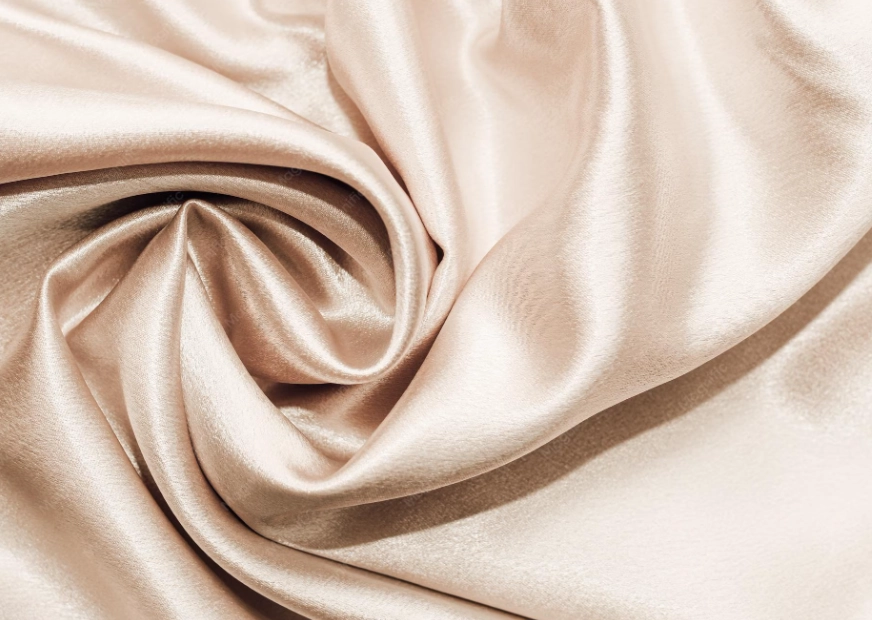
Charmeuse
This is the classic. Lustrous, shiny face, and a dull, matte back. It's lightweight, has a fluid drape, and is what most people picture for lingerie, flowing evening gowns, and luxury linings. It's the most common and versatile satin silk.
Duchesse Satin
Heavier and stiffer. It has less shine than charmeuse but a beautiful, pearly luster and a ton of body. This is the go-to for structured garments like wedding dresses, cocktail suits, and formal jackets. It holds its shape beautifully.
Antique Satin or Satin Back Crepe
A fun, textural twist. One side has the typical satin shine, while the other has a crepe texture (bumpy, pebbled). It's heavier and offers great dimension. Perfect for draping in home decor (pillows, curtains) or garments where you want a reversible effect or more visual interest.
Crepe-Back Satin
Similar to antique satin but usually lighter. You can use either side, giving you two looks in one fabric. The crepe side is great for a more casual, daytime look, while the satin side works for evening.
My personal favorite for a special occasion dress is a medium-weight charmeuse. It moves with you, feels incredible, and photographs like a dream. For bedding, I lean towards a 22-30 momme charmeuse for the perfect balance of durability and decadence.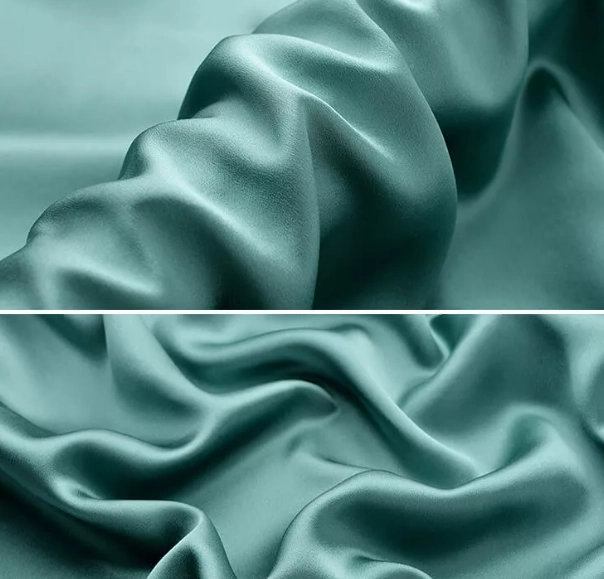
How to Tell if You're Getting Real Satin Silk (Not Fake)
This is crucial. The market is flooded with polyester satin masquerading as silk. Here’s how to play detective.
The Burn Test (The Gold Standard): Snip a tiny thread from a hidden seam allowance. Real silk burns slowly, smells like burning hair or feathers, and leaves a crushable, gritty ash. Polyester melts, smells like sweet plastic, and forms a hard, black bead. Always ask for a swatch first!
The Visual and Touch Test: Real silk satin has a warmth and depth to its color. Polyester can look flat and garish. Crumple the fabric in your hand for a few seconds. Real silk will wrinkle (but steam out easily). Polyester satin will often spring back with few wrinkles—a dead giveaway.
The Price and Label Check: If it's shockingly cheap, it's not silk. Look for labels: "100% Silk," "Pure Silk," or "Mulberry Silk" are good. "Satin" alone means nothing about fiber content. A reputable seller will always disclose the material.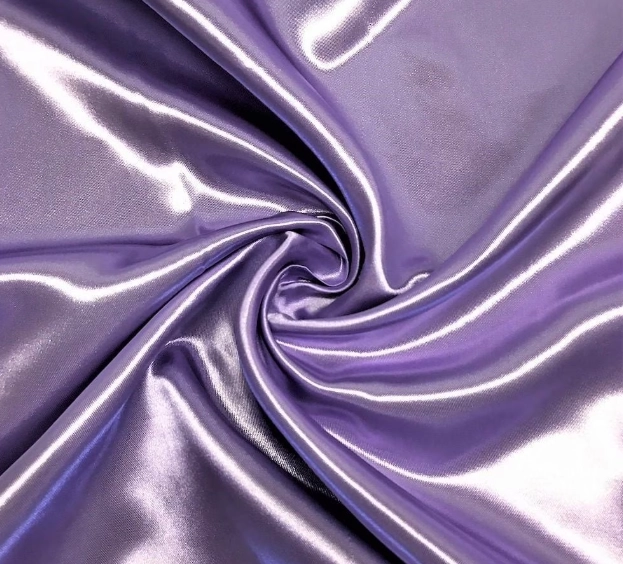
Where to Use Satin Silk: From Nightwear to Home Decor
Its application goes far beyond fancy dresses.
Apparel: Evening wear, wedding gowns, luxury lingerie and pajamas, blouses, linings for wool coats (it helps the coat slide on easily), scarves, and neckties.
Home Life: This is a growing area. Satin silk pillowcases are hugely popular for reducing hair frizz and preventing sleep creases on the face. High-thread-count sheets often use a sateen weave (a cousin to satin) for smoothness, but real satin silk bedding is the ultimate indulgence for temperature regulation. It's also used for decorative throw pillows, drapes, and upholstery accents.
I switched to a satin silk pillowcase a few years ago, and the difference for my curly hair was noticeable within a week. Less morning frizz, fewer tangles. It's a practical luxury.
Satin Silk Care: The Rules to Prevent Heartbreak
Treat it well, and it will reward you. Neglect it, and you'll be staring at a ruined garment.
Washing: Hand wash in cool water with a mild, pH-neutral detergent like The Laundress's Silk Wash or a baby shampoo. Never soak for long. Gently swish, don't wring or twist. For machine washing, only if the label explicitly says so, and always use a delicate bag on a cold, gentle cycle.
Drying: Never, ever tumble dry. Roll the item in a clean, dry towel to press out excess water. Then lay it flat on a drying rack, away from direct sunlight or heat. Reshape it while damp.
Ironing: Iron while the fabric is still slightly damp. Use the lowest possible heat setting (silk/wool). Always iron on the reverse side (the matte side) with a pressing cloth between the iron and the fabric. This prevents water spots and shine marks, which are permanent. A handheld steamer is actually a safer, better friend for satin silk.
Storing: Store clean, in a breathable cotton bag. Never hang heavy satin items like gowns for long periods; the shoulders can stretch. Fold them with acid-free tissue paper to prevent sharp creases. Keep away from cedar chests or mothballs, as the chemicals can damage the fibers.
Your Satin Silk Questions, Answered
Why does my satin silk pillowcase still make my hair staticky?
You might have a polyester satin pillowcase. Real silk is a natural protein fiber that conducts electricity poorly, which drastically reduces static. Polyester is a plastic that generates a lot of static electricity. Check your label. If it says "silk," ensure it's not a blend. Also, very dry air can cause some static even with silk, but it's far less than with synthetics.
Is satin silk too delicate for a dress I want to wear often?
It depends on the weight and your lifestyle. A lightweight charmeuse for daily office wear might show wear quickly. However, a medium or heavy-weight duchesse satin in a darker color can be quite durable for frequent evening wear. The key is avoiding abrasion—be mindful of rough surfaces, bags with sharp hardware, and always check the care label before any spot cleaning.
Can I fix a snag or pull in satin silk?
Small snags can sometimes be gently coaxed back into place from the reverse side using a blunt needle. For a pulled thread, you can carefully clip the excess from the surface, but never pull it. If the thread is broken, it will likely create a small run or looseness. For valuable items, take it to a professional seamstress experienced with silk. Prevention is always better: file your nails smooth and remove jewelry before handling.
What's the difference between momme weight in satin silk?
Momme (mm) is the weight of silk per square yard. For satin silk, a common range is 16mm (light, drapey) to 30mm (heavy, structured). 19-22mm is standard for lingerie and blouses. 25-30mm is luxury bedding and heavy gowns. Higher momme means more threads per inch, resulting in a denser, more durable, and more expensive fabric with a richer feel.