Let's be honest. Modern life is loud. Between street traffic, noisy neighbors, humming appliances, and the echo in your own rooms, finding peace at home can feel impossible. Hard surfaces like wood, tile, and drywall bounce sound around, creating that harsh, live feel. That's where sound-absorbing fabrics come in. They're not magic, but they're the most accessible and aesthetically pleasing tool you have to dramatically soften your acoustic environment. Think of them as acoustic sponges, soaking up sound energy instead of reflecting it. I've spent years helping clients and experimenting in my own spaces, and fabric is often the game-changer people overlook.
What You'll Learn in This Guide
- Why Your Home Needs Sound-Absorbing Fabrics
- Sound-Absorbing Fabric Types Explained
- How to Choose the Right Fabric for Your Space
- DIY Applications: Where and How to Use Them
- Common Mistakes Even DIYers Make
- Care and Maintenance for Longevity
- How to Measure Your Results (No Fancy Gear Needed)
- Your Top Questions Answered
Why Your Home Needs Sound-Absorbing Fabrics
It's not just about loud noises. It's about acoustic comfort. High reverberation makes conversations strained, movies muddy, and music fatiguing. The U.S. Environmental Protection Agency has long recognized noise pollution as a health stressor. In your home, this translates to poor sleep, difficulty concentrating, and general irritability. Acoustic fabrics target mid-to-high frequency sounds—the clatter of dishes, voices, TV audio, and footfalls. They won't stop the low rumble of a subwoofer next door (that's a mass and decoupling issue), but they will eliminate the harshness and echo that make a space feel unsettled.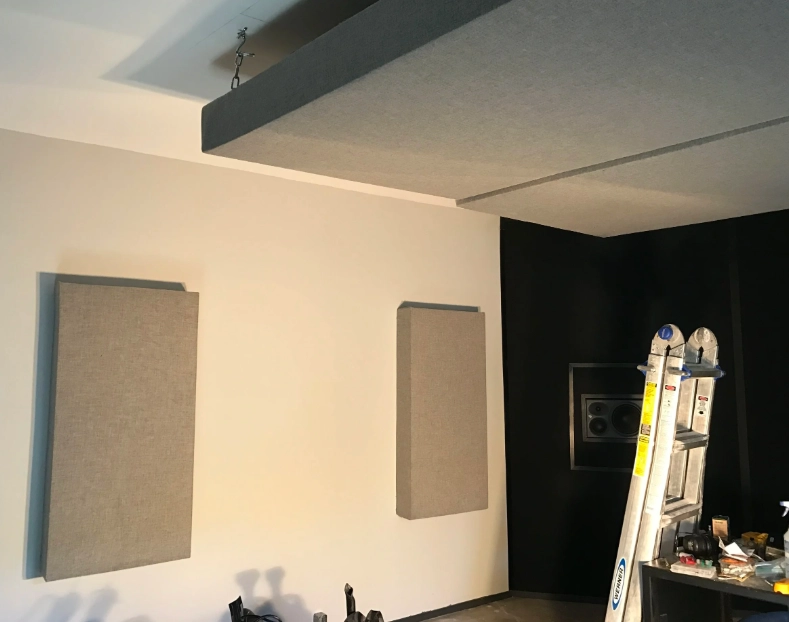
I once helped a client who worked from home in a large, open-concept loft. Their video calls were a nightmare—every word echoed. We didn't rebuild walls. We strategically added a thick, textured area rug, floor-to-ceiling drapes on the large windows, and acoustic panels wrapped in a nice fabric on one wall. The change was immediate. Their voice sounded clearer on calls, and the entire space just felt calmer.
Sound-Absorbing Fabric Types Explained
Not all fabrics are created equal. Absorption depends on thickness, density, and pile. Here’s a breakdown of the most effective types you can actually buy and use.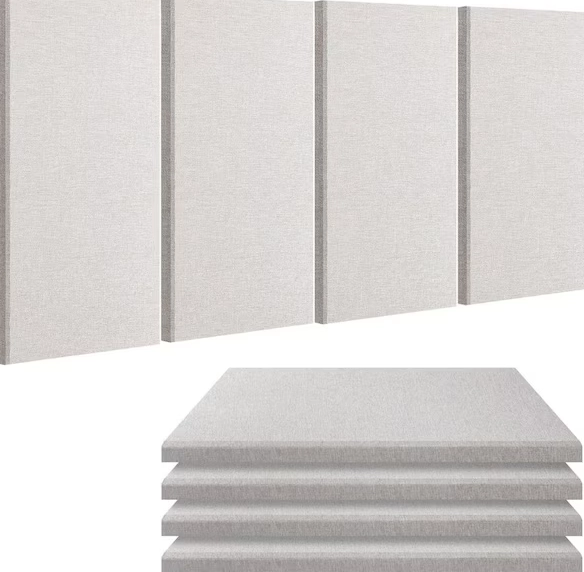
| Fabric Type | Best For Absorbing | Typical Uses | Durability & Care |
|---|---|---|---|
| Velvet & Velour | Mid & High Frequencies (voices, treble) | Upholstery, heavy drapes, acoustic panel wraps | Moderate. Can crush. Professional cleaning often needed. |
| Wool Felt & Melton Wool | Broad Frequency Range | Wall hangings, desk pads, partition screens, panel wraps | High. Naturally stain-resistant, easy to spot clean. |
| Heavy, Textured Weaves (Chenille, Tweed) | Mid Frequencies | Upholstery, thick curtains, throw blankets | High. Very durable for high-traffic areas. |
| Acoustic Specific Fabrics (e.g., Guilford of Maine) | Optimized Broad Spectrum | Professional acoustic panels, ceiling baffles, wall systems | Very High. Often Class A fire-rated, durable, cleanable. |
| Plush Fleece & Moving Blankets | Mid & High Frequencies | DIY temporary panels, behind furniture, home gyms | Low to Moderate. Budget-friendly but may shed or look informal. |
The Velvet Misconception
Velvet is great, but here's the expert nuance everyone misses: a thin, cheap polyester velvet does almost nothing. You need a dense, high-pile velvet. The difference is like comparing a bath towel to a paper towel. Run your hand against the nap—if it doesn't offer significant resistance and depth, its acoustic value is minimal. Go for cotton or wool velvet blends for the best effect.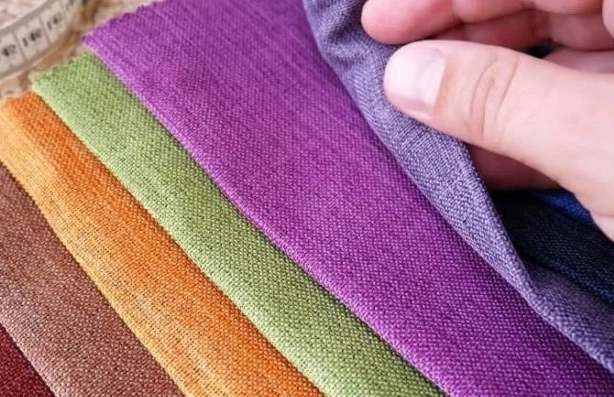
Why Wool Felt is a Secret Weapon
Wool felt is my personal favorite for DIY projects. It's dense, doesn't fray, comes in amazing colors, and has natural sound-absorbing properties. A 3mm or 5mm thick sheet of wool felt stretched over a wooden frame filled with rock wool insulation makes a panel that rivals professional gear. It's also a sustainable choice. The Acoustical Society of America publishes research on material properties, and natural fibers like wool consistently perform well.
How to Choose the Right Fabric for Your Space
Don't just buy the thickest cloth you see. Match the fabric to the problem and the room's function.
For Home Theaters & Media Rooms: Prioritize performance. Use dedicated acoustic fabrics (they're acoustically transparent, letting sound pass through to the absorbent core behind) on bass traps and absorption panels. Complement with very heavy velvet or blackout drapes over windows and any reflective wall sections.
For Home Offices & Zoom Rooms: Clarity is key. You need to kill flutter echo between parallel walls. Here, wool felt panels or fabric-wrapped panels placed at reflection points (imagine a mirror on the wall—where you'd see your speakers) work wonders. A thick rug is non-negotiable.
For Living Rooms & Open Plans: Blend aesthetics with function. A large, plush area rug is your first and biggest weapon. Follow with heavy, floor-length curtains. Then, use upholstered furniture—a thick fabric sofa absorbs more than a leather one. Finally, consider a large fabric wall hanging or a bookshelf filled with books (which breaks up the surface).
For Bedrooms: Focus on softness and drapes. A fabric headboard, padded upholstered bed frame, plush carpet, and the heaviest curtains you can find will create a cocoon of quiet. This is where thermal-blackout lined drapes pull double duty.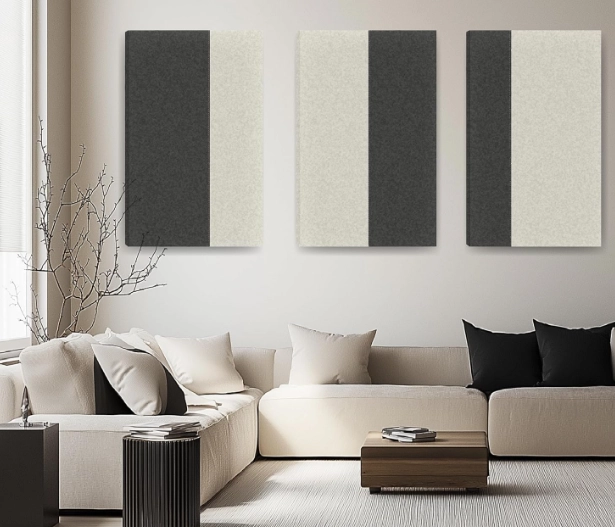
DIY Applications: Where and How to Use Them
You don't need to hire a pro. Here are specific, actionable projects.
Project 1: The "First Reflection Point" Panel
This is the single most effective DIY acoustic treatment. Sit in your main listening spot (desk chair, sofa). Have a friend slide a mirror along the side wall until you see your speaker in the mirror. That spot is where sound hits first and bounces to your ears. Place a 2'x4' fabric-wrapped absorption panel there. Frame: 1x3 pine. Fill: 2" thick rigid rock wool insulation (like Roxul Safe'n'Sound). Wrap: Stretch your chosen acoustic fabric or wool felt over the front, staple to the back. Total cost: about $50-80 per panel. You'll need two for stereo symmetry.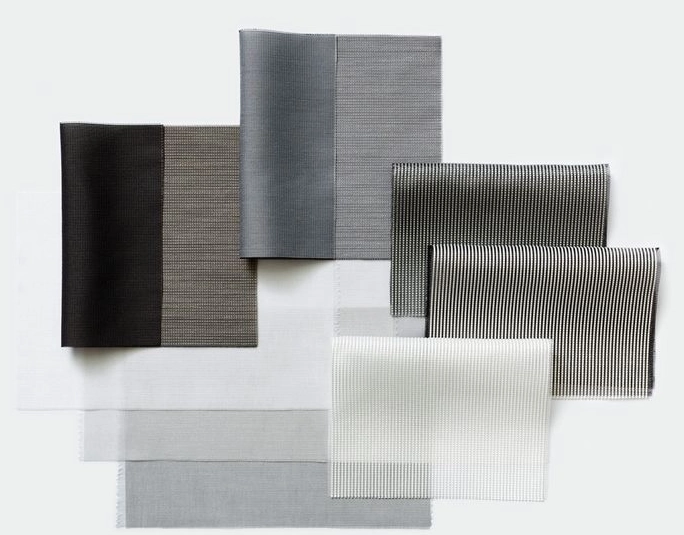
Project 2: The Super Simple Floor-to-Ceiling Drape
For window noise, the install is as important as the fabric. Get a curtain rod that extends at least 8-12 inches beyond the window frame on each side. Mount it as close to the ceiling as possible. Buy drapes that pool slightly on the floor. The goal is to create a wide, continuous fabric barrier that covers the wall around the window, not just the glass. A thermal lining adds mass and improves performance dramatically.
Project 3: The Upholstered "Acoustic" Headboard
Buy a basic plywood headboard shape from a craft store or cut your own. Layer it with 1-2" of acoustic foam or bonded cotton batting. Then stretch and staple a premium, medium-pile fabric over it—a nice velvet or textured linen. Mount it to the wall behind your bed. It looks high-end and absorbs sound right where you need quiet.
Common Mistakes Even DIYers Make
I've seen these errors undo good intentions.
Mistake 1: Using the Wrong Fill. Putting regular polyester stuffing or egg crate foam behind a fabric panel. These are terrible broadband absorbers. Use mineral wool (rock wool) or acoustic fiberglass. They're designed for the job. Wear a mask when handling.
Mistake 2: Skimping on Size and Quantity. One tiny 12"x12" panel on a huge wall is a decorative accent, not an acoustic treatment. You need surface area. Multiple larger panels (2'x4') spread out will always beat one small one.
Mistake 3: Ignoring the Ceiling and Floor. The ceiling is a massive, often ignored, reflective surface. In a really problematic room, consider fabric-wrapped clouds or hanging baffles. The floor must be addressed with a rug and pad. A rug pad adds crucial mass and decoupling.
Mistake 4: Forgetting About Air Gaps. Mounting a panel directly flush to the wall is okay, but leaving a 2-4 inch air gap behind it actually improves its low-mid frequency absorption. Use spacer blocks.
Care and Maintenance for Longevity
Dust is the enemy—it clogs the pores that absorb sound. Vacuum drapes and fabric panels monthly with an upholstery attachment. For spills on wool felt, blot immediately; it's fairly stain-resistant. For velvet, consult a professional cleaner—home remedies can ruin the nap. Most professional acoustic fabrics can be lightly vacuumed or spot-cleaned with a mild detergent. Always check the manufacturer's guide. A well-maintained fabric treatment will last a decade or more.
How to Measure Your Results (No Fancy Gear Needed)
You don't need a decibel meter. Use these human tests.
The Clap Test: Stand in the center of the room. Clap your hands once, sharply. Before treatment, you'll hear a sharp, ringing tail (reverberation). After, the clap should sound drier, more of a "thud" with the ring significantly shortened or gone.
The Conversation Test: Have a normal conversation with someone across the room. Before, you might find yourself raising your voice or words sounding smeared. After, speech should be clearer and you can talk at a more natural volume.
The Music Test: Play a piece of music with clear vocals and high hats. Listen for harshness or sibilance. After treatment, the music should sound smoother, less fatiguing, with instruments more distinct.